Salt in Food and Preservation

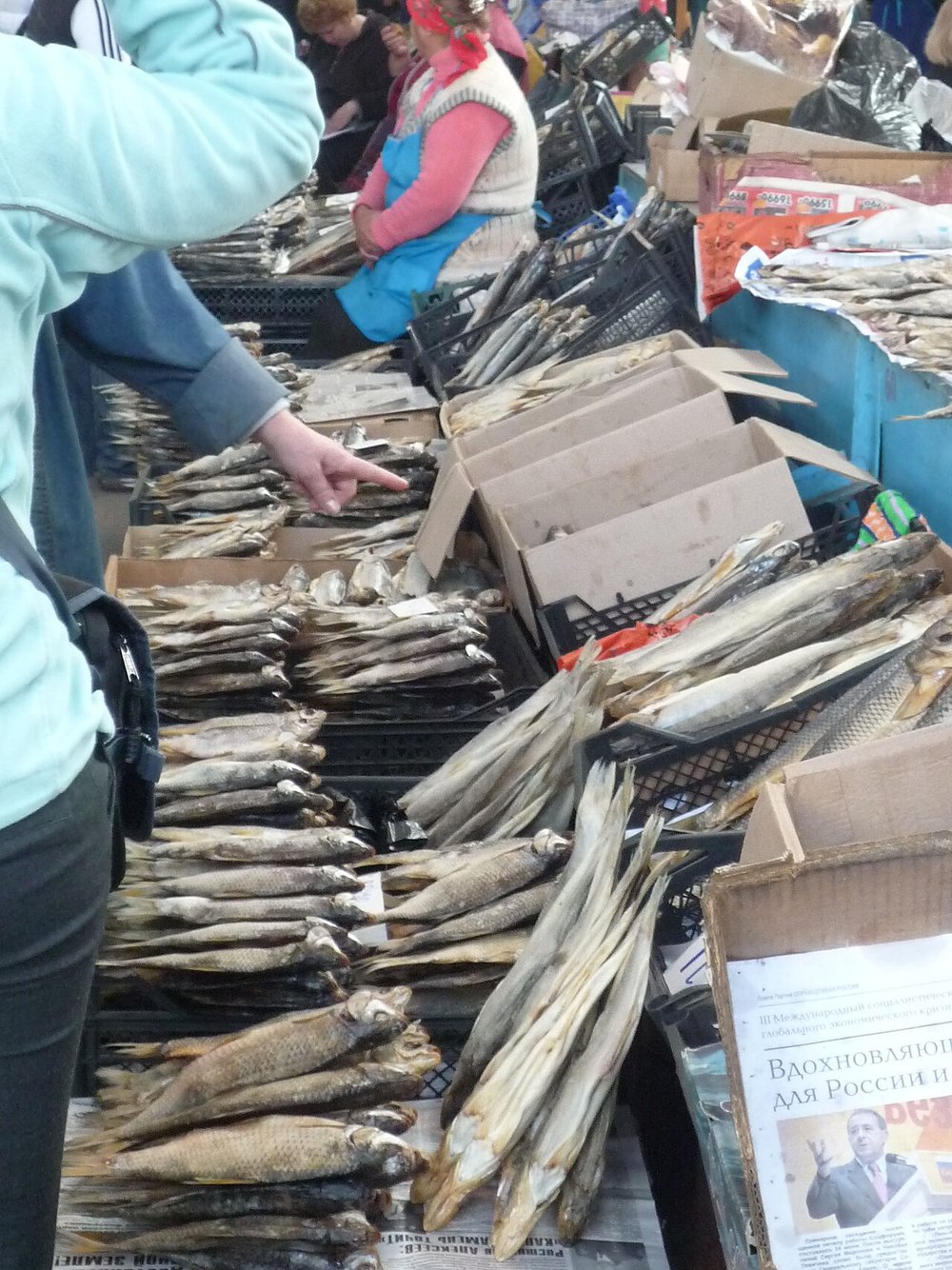
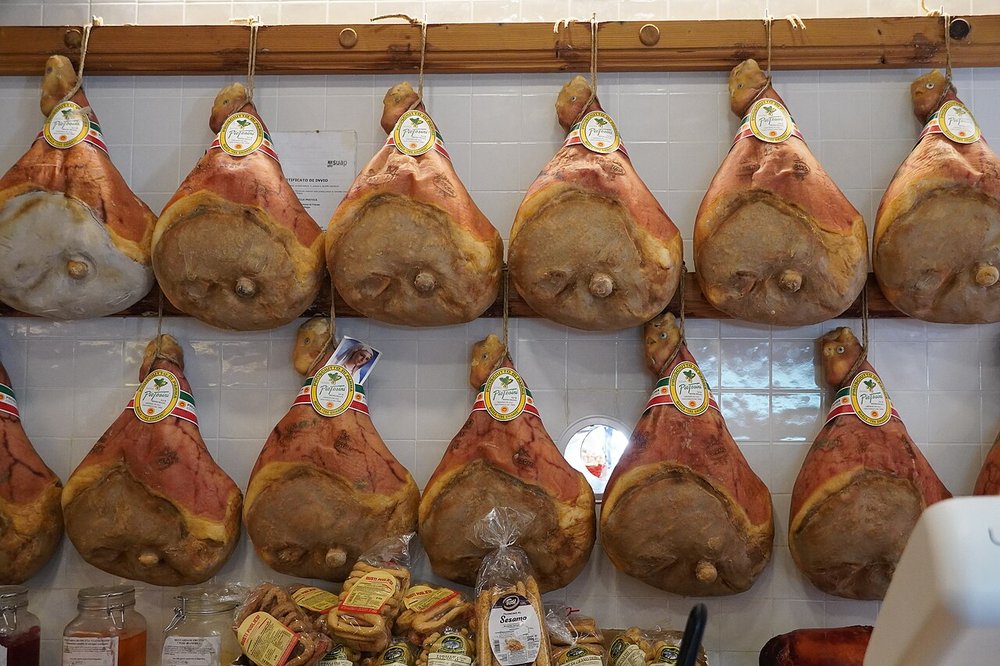
For most of human history, salt was the difference between eating in winter and going hungry. Before refrigeration, before canning, before freezing, there was one reliable way to keep meat and fish from rotting: salt. It fed sailors on months-long voyages, armies on campaign, and whole cities through the winter — and it still shapes what we eat today, from bacon and Parma ham to soy sauce and salted cod.
In short
Salt preserves food by drawing water out of it — and out of the microbes that would spoil it — through osmosis. Rubbed in as dry salt or dissolved as brine, it lowers the water available to bacteria so most cannot grow; heavily salted cod or ham can keep for months or years. Salting is one of the oldest food-preservation methods, used since at least 3000 BCE, and it stayed the main method until refrigeration spread in the mid-20th century.
How salting works
Every microbe needs water it can use. Salt binds that water: when salt touches meat or fish, water flows out of the tissue towards the more concentrated salt solution, while salt slowly moves in. Bacteria on the surface lose water the same way — their cells shrink and they stop growing or die. A saturated salt brine has a water activity of about 0.75, well below the roughly 0.90 level under which most microbes stop multiplying. Killing most unwanted bacteria outright needs salt concentrations of up to 20 percent, which is why heavily salted foods taste so salty — and why they have to be soaked in fresh water before cooking.
Salt does not sterilise. Some dangerous bacteria tolerate it well, and the spores of Clostridium botulinum, which causes botulism, survive in poorly cured meat and fish. That is why most modern meat cures contain nitrite, which slows botulinum and keeps cured meat pink — the old recipes used saltpetre, which bacteria in the cure turn into nitrite. Home curing should only ever follow a tested recipe: botulism is rare but deadly.
A staple of sailors and soldiers
Salted meat was a staple of the mariner's diet in the Age of Sail, stored in barrels and made to last for months at sea. The basic Royal Navy diet was salted beef, salted pork, ship's biscuit, and oatmeal. Salted fish was just as important: drying or salting was the only widely available method of preserving fish until the 19th century, and dried and salted cod became a staple across Europe, the Caribbean, and West Africa. In the 19th century, after the discovery of immense cod resources in the New World, salted cod became one of the most commonly eaten fish in Europe. The Romans had already made an industry of it: garum, their salty fermented fish sauce, was shipped across the empire in jars labelled by quality — an early form of food labelling.
From necessity to flavour
Salting faded as the main way of keeping food after refrigeration spread in the middle of the 20th century, but it never went away. Dry-cured hams, bacon, smoked salmon, olives, pickles, sauerkraut, soy sauce, and salted butter all still depend on salt — now as much for flavour and texture as for keeping. Light salting works differently again: with about 2 to 2.5 percent salt, cabbage keeps enough water for lactic-acid bacteria, which tolerate salt better than spoilers; they turn its sugars into lactic acid, and the acidity preserves the food. That is how sauerkraut and kimchi are made. Salt began as survival; it ended up as taste.
Sources: Wikipedia, "Salting (food)"; Wikipedia, "Cured fish"; The Last Codex, "Salting and Curing" Checked 27 November 2026.