Salt Taxes and Revolutions


No tax in history has caused more trouble than the tax on salt. Because everyone needs salt and no one can live without it, a government that taxes salt taxes every single person — rich and poor alike. That made salt taxes a goldmine for rulers, and a standing grievance for everyone else. Twice, a salt tax helped bring down an old order: in France in 1789, and in India in 1930.
In short
Salt taxes helped spark the French Revolution and Gandhi's Salt March. France's gabelle, first imposed in 1360, forced households to buy a fixed amount of salt at wildly unequal regional prices; it was abolished in 1790, restored by Napoleon in 1806, and only finally repealed in 1945. In British India, the Salt Act of 1882 made it illegal for Indians to make their own salt; Gandhi's 240-mile march to Dandi in March–April 1930 broke that law in public and became a symbol of Indian independence.
The gabelle: France's most hated tax
The gabelle was the French salt tax, first imposed in 1360 and lasting, with brief lapses, until 1946. It began as an indirect tax on farm goods, but from 1360 it was limited to salt alone. Its cruelty was in how unevenly it fell: France was divided into regions with wildly different rates, and in some areas the price could be more than 50 times higher than in others. Households were even obliged to buy a fixed minimum quantity — the sel de devoir, the "salt of duty" — whether they needed it or not, and everyone over the age of eight had to buy a set amount each week.
The tax spawned a whole criminal economy of salt smugglers, the faux-sauniers, and a hated corps of tax enforcers. Thousands of people were imprisoned, fined, or sent to the galleys for selling or possessing contraband salt. When the lists of grievances were drawn up before the French Revolution in 1789, abolishing the gabelle was one of the most common and passionate demands. The National Assembly abolished it on 21 March 1790 — but Napoleon reinstated it in 1806, and the salt tax in one form or another survived in France until 1945.
The Moscow Salt Riot
France was not alone. In Russia, a salt tax helped trigger the Moscow Salt Riot of 1648, when rising salt prices and corruption pushed the people of Moscow into open revolt against the tsar's government. Salt taxes were, as one history puts it, among the longest-standing sources of revenue for governments anywhere — and one of the most reliable ways to start a riot.
Gandhi and the Salt March
The most famous salt protest came in India. The British Salt Act of 1882 gave the British a monopoly on salt: Indians were forbidden to produce or sell it themselves, even though the sea around them was full of it, and had to buy heavily taxed colonial salt. The tax accounted for about 8.2 percent of British Raj tax revenue, and it hit the poorest hardest, because salt is something nobody can do without.
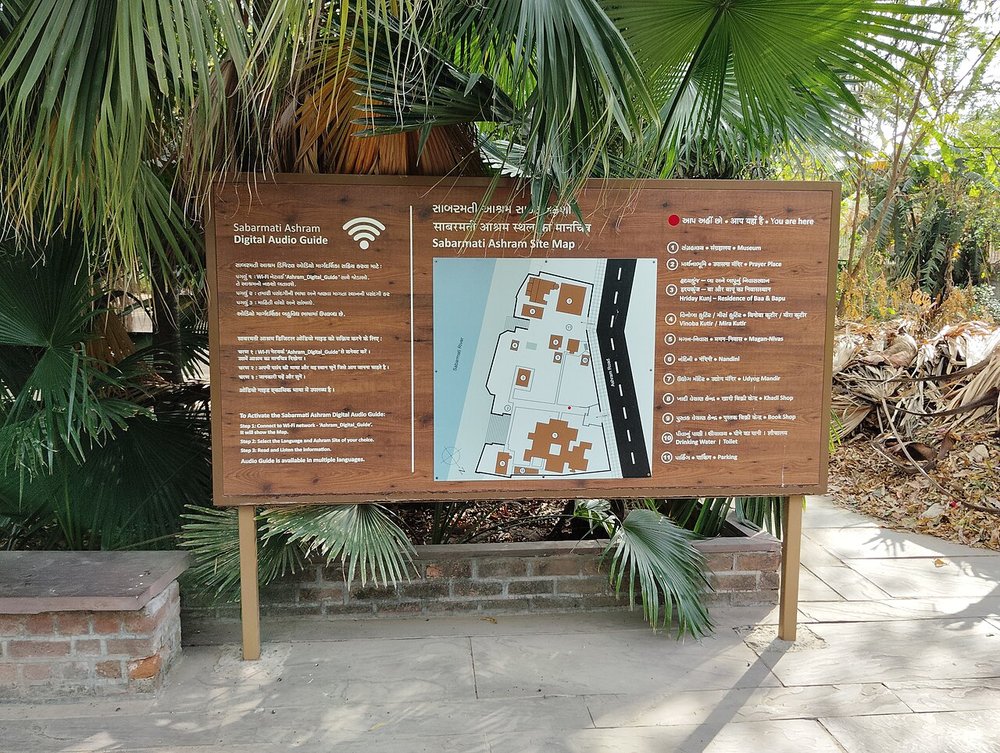
On 2 March 1930, Gandhi wrote to the Viceroy, Lord Irwin, explaining that he intended to break the salt law. On 12 March he set out from Sabarmati Ashram with 80 followers and walked 240 miles (about 385 kilometres) to the coastal village of Dandi. Thousands joined him on the way. On the morning of 6 April 1930, he picked up a handful of salty mud from the shore and boiled it to make salt — a small, public act that broke British law. The march set off a campaign of civil disobedience across India, and by the end of the year about 60,000 people had been jailed. The tax was not repealed at once, but the Salt March turned a handful of white crystals into the emblem of Indian independence.
Sources: Wikipedia, "Salt tax"; Neomano, "Salt, Taxes, and the Revolutions It Sparked"; BYJU'S, "Salt Satyagraha — History, Facts and Cause of Salt March" Checked 27 November 2026.