Salt in the Ancient World
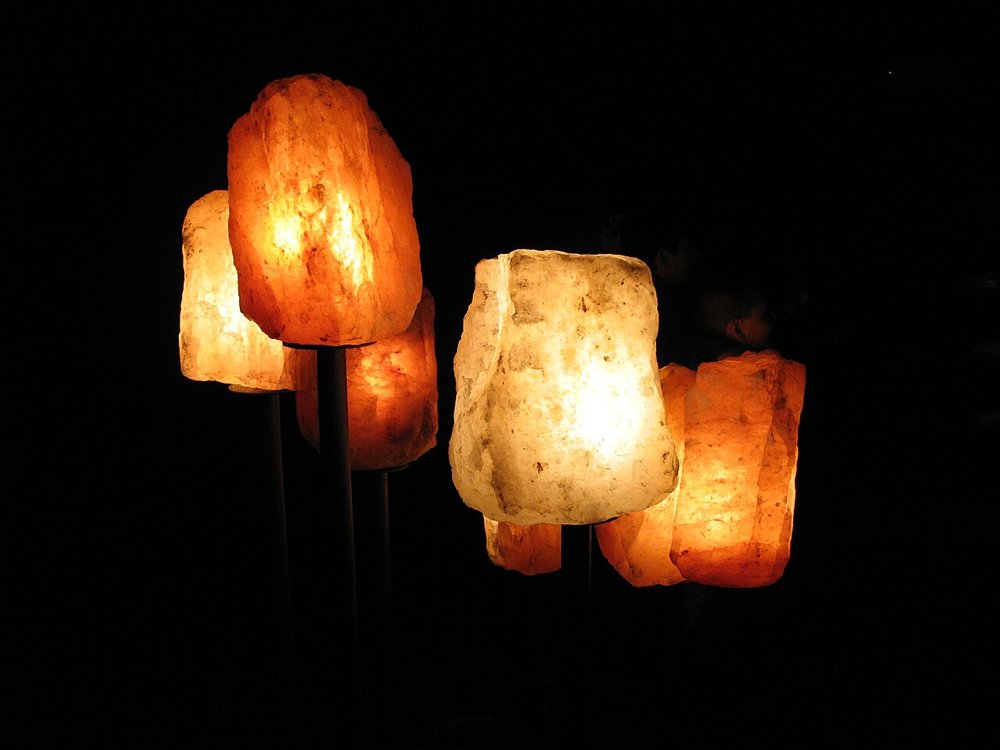
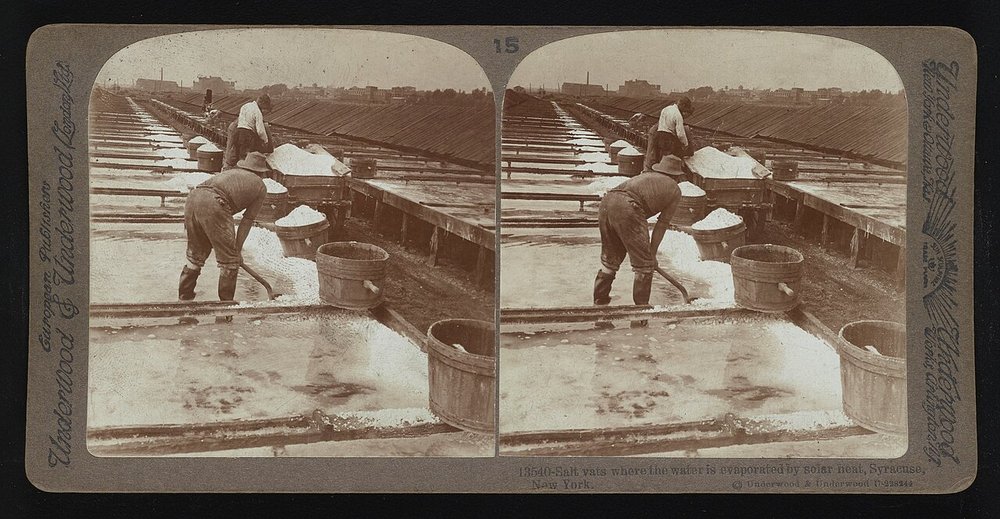
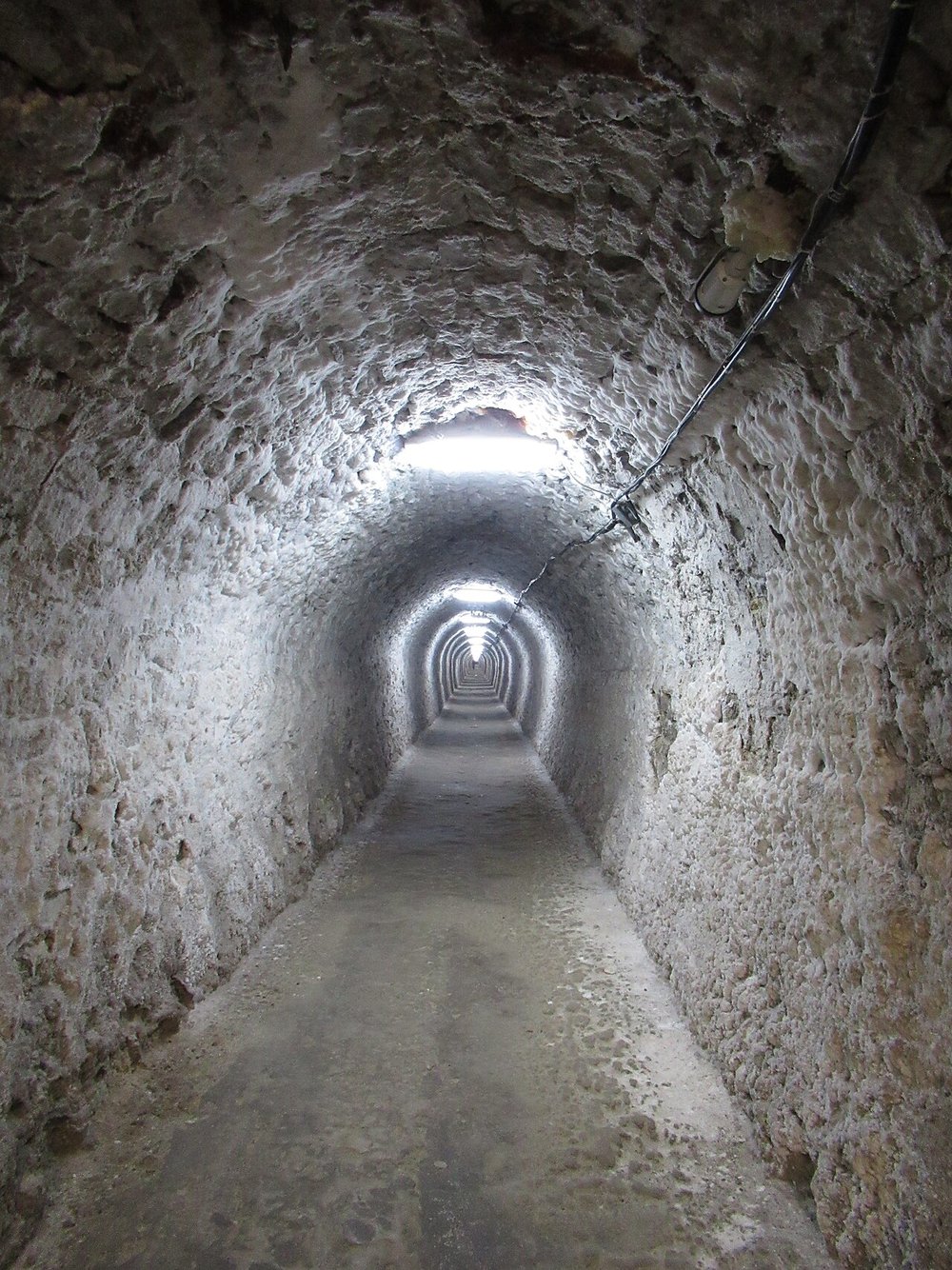
Long before salt was a cheap shaker on every table, it was treasure. In a world without refrigeration, salt was the only way to keep meat and fish from rotting, and the only way to replace the salt the human body loses in sweat. Whoever controlled salt controlled food, trade, and armies — so salt was mined, taxed, fought over, and worshipped for thousands of years before anyone wrote a history book.
In short
Salt was one of the most valuable goods of the ancient world because it preserved food and the human body needs it to live. People were boiling brine for salt at Poiana Slatinei in Romania from about 6050 BCE, and mining it at Hallstatt in Austria from about 5000 BCE — the oldest known salt mine. Egyptians, Chinese, Greeks, and Romans all taxed it, traded it, and used it in religion.
The oldest salt works on Earth
The earliest known salt making comes from Poiana Slatinei, near Lunca in north-eastern Romania, where people boiled brine from a spring about six times as salty as seawater from around 6050 BCE. They heated the brine in coarse clay troughs over a fire, then broke the troughs to free the salt cakes — a technique archaeologists call briquetage. The mound of ash and burnt earth left behind is about three metres high. Whether that salt went to preserving food, to livestock, or to trade is unknown, but the date shows salt making began long before writing.
At Hallstatt in Austria, people were mining salt by about 5000 BCE, making it the oldest known salt mine in the world. A stag-horn pick found in the mine has been dated to around 5000 BCE, and a wooden staircase from about 1344 BCE is the oldest known staircase in Europe. Salt preserved the miners' own belongings so well that shoes, cloth, and backpacks survived intact, and in 1734 miners found a body — the "Man in Salt" — preserved inside the mine. The graves above the mine were so rich that the whole early Iron Age in Europe (about 800–450 BCE) is named the Hallstatt culture after them.
Egypt, China, and the first salt taxes
In Egypt, salt from the Dead Sea was in use by about 1600 BCE, and salt played a part in mummification: the dry, salty natron used to dry out bodies helped preserve them for the afterlife. In China, salt production was already organised by the first millennium BCE, and by the time of the Han dynasty the state had taken salt making into its own hands — a salt monopoly that would fund Chinese governments, on and off, for more than 2,000 years.
Everywhere, rulers quickly saw that salt could be taxed. Because everyone needed it and no one could make it at home without a brine spring or a seashore, a tax on salt was almost impossible to dodge. That simple fact would make salt the cause of revolts for the next two thousand years, from France to India.
Why salt was worth fighting over
Salt mattered for three reasons. First, it preserved food: rubbed into meat or fish, or dissolved in brine, it draws water out of the flesh and out of the microbes that would spoil it, so food could last for months. Second, the human body needs sodium to live, and people who eat mostly plants and little meat lose salt in sweat and need to replace it. Third, it travelled well: dry salt does not rot, and a bag of it could be carried for hundreds of miles and traded for almost anything.
That is why salt roads crossed Europe, salt towns grew rich, and salt became a measure of wealth. The English word "salary" comes from the Latin for salt, and the phrase "worth his salt" still means a worker who earns his pay. Salt was never just a seasoning — in the ancient world, it was survival, money, and power in a single white crystal.
Sources: Wikipedia, "History of salt"; Salzwelten Hallstatt, "How the world's oldest salt mine guarantees all kinds of fun"; EARTH Magazine, "Austria's Salzkammergut: World heritage preserved in salt"; The Last Codex, "Salting and Curing" Checked 27 November 2026.