Salt in Industry
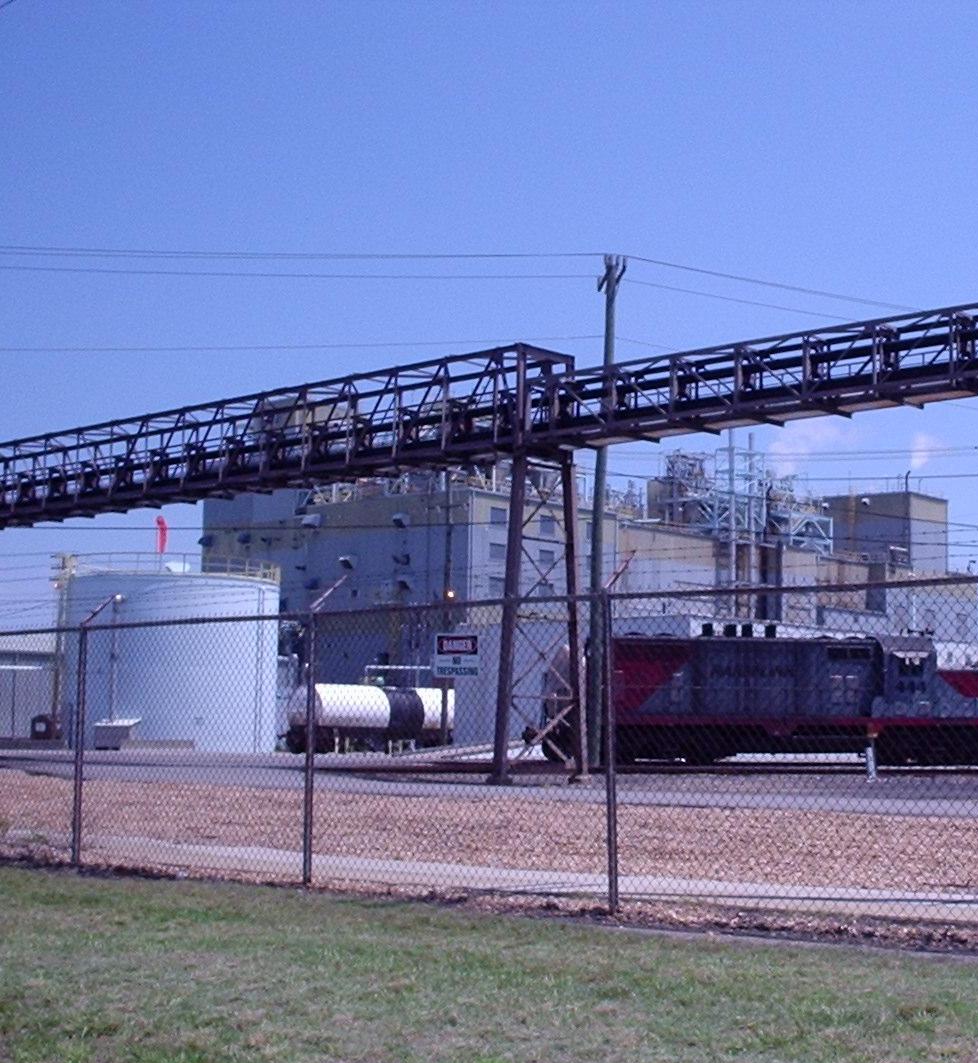


The salt shaker on your table holds only a tiny share of the world's salt. Most of the roughly 270 million tonnes produced every year never gets eaten at all: it is spread on icy roads, pumped into chemical plants, dissolved into brine for water softeners, and turned into the chlorine and caustic soda that make PVC, paper, soap, and drinking water safe. Salt is one of the chemical industry's most important raw materials — and one of its cheapest.
In short
Most salt is industrial. In the United States, road de-icing is the single largest use (about 41–43% of consumption) and the chemical industry takes about 37–39%. Salt is the starting point of the chlor-alkali process, which electrolyses brine into chlorine, sodium hydroxide (caustic soda), and hydrogen — the building blocks of PVC, disinfectants, paper, soap, and aluminium. It is also used for water treatment, textiles, leather, oil drilling, and animal feed.
Chlor-alkali: salt becomes chemicals
Sodium chloride is the foundational raw material of the chlor-alkali industry. The process electrolyses saturated brine — 2 NaCl + 2 H2O gives chlorine, hydrogen, and sodium hydroxide — in membrane, diaphragm, or mercury cells. Chlorine goes into PVC, disinfectants, and solvents; caustic soda enables the paper, soap, and aluminium industries; hydrogen is captured as a fuel and feedstock. Salt is also used in the Solvay process to make soda ash (sodium carbonate) for glass and detergents, and in the Mannheim and Hargreaves processes to make sodium sulfate and hydrochloric acid. Brine is the preferred form for chlorine and caustic soda production, and it is the second-largest form of salt produced in the United States; rock salt, mined directly, is the largest.
De-icing: the biggest single use
The single largest use of salt in the United States is de-icing roads and pavements: in 2019 it accounted for about 43 percent of all sodium chloride consumed, and the US Geological Survey puts highway de-icing at about 41 percent of consumption in 2024. Salt lowers the freezing point of water, so it melts ice and stops it forming, and it is by far the cheapest de-icer available — about 54 dollars a tonne in the US in 2025. The number of icing events, not total snowfall, drives demand, which is why a mild winter can cut consumption sharply. The salt is not free of cost to the environment: runoff raises the saltiness of soils and waterways, and researchers and highway agencies are testing alternatives such as calcium chloride and calcium magnesium acetate — all costlier than plain rock salt.
Water, textiles, leather, and oil
Beyond chemicals and roads, salt works quietly in many other industries. It regenerates the ion-exchange resins in water softeners, and is used to generate sodium hypochlorite for water treatment on site. Tanneries use it to cure hides, textile dyers use it to fix dyes, and oil and gas drillers add it to drilling fluids. It is a bulking agent in powdered soaps and detergents, an electrolyte in healthcare — isotonic saline is simply salt water matched to the body's own concentration — and a mineral supplement in animal feed. Even the salt caverns left by solution mining have a second life: their airtight chambers are used to store natural gas and, increasingly, hydrogen. A mineral that began as a food preservative now holds up a surprising share of modern life.
Sources: US Environmental Protection Agency, "Water Treatment Chemical Supply Chain Profile — Sodium Chloride"; TheFreeDictionary Encyclopedia, "Sodium chloride"; Material Insights, "Salt: Overview" Checked 27 November 2026.