How Salt Is Made
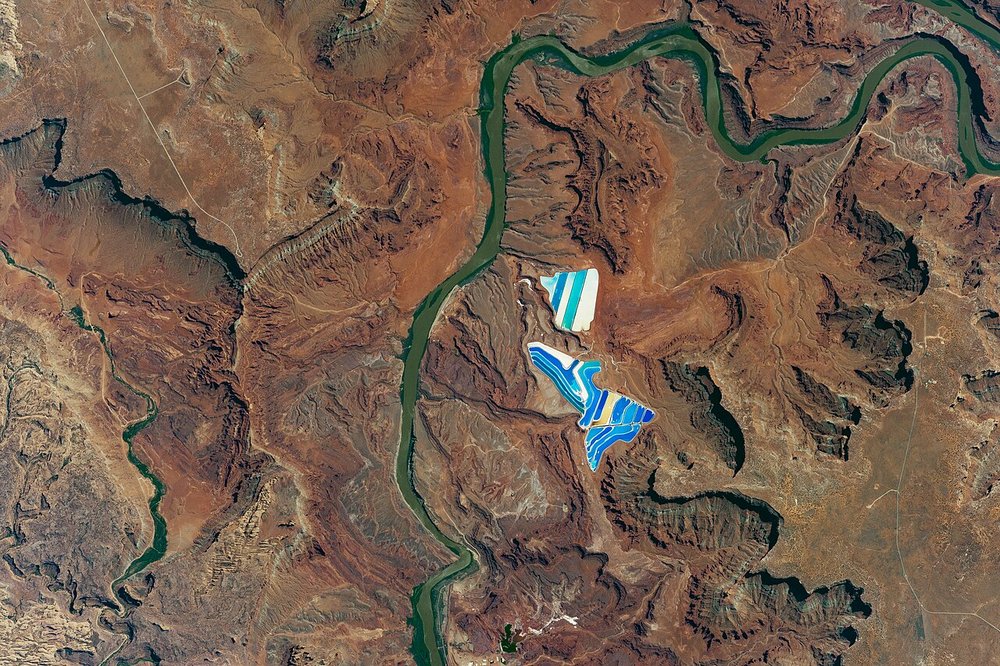
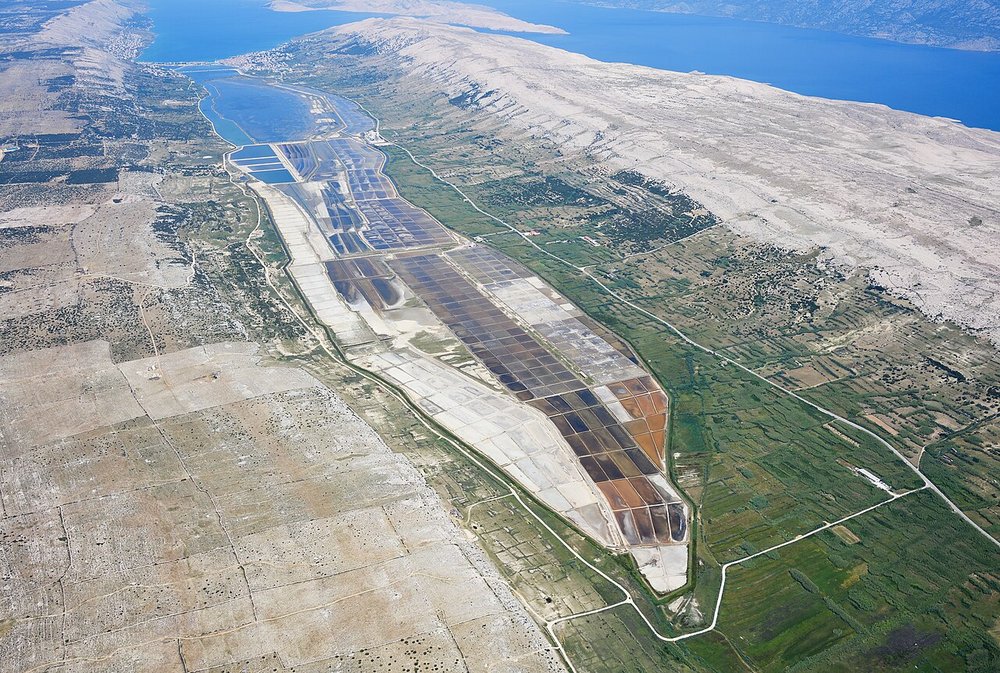
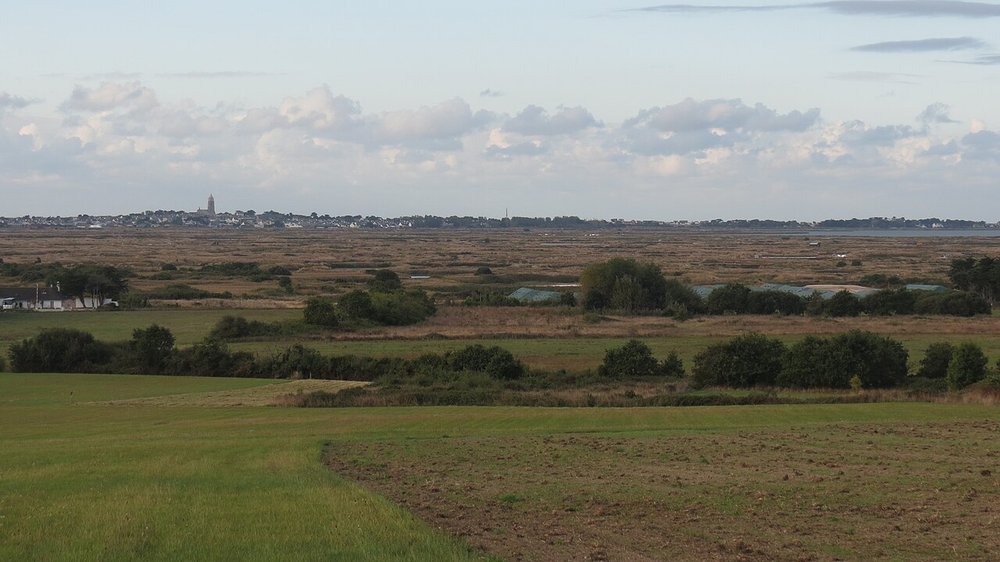
Every grain of salt on your table began in one of three places: a shallow pond under the sun, a cavern of solid rock hundreds of metres underground, or a well that pumps salty water up from a buried sea. All three methods do the same job — separate sodium chloride from water and from the other minerals mixed in with it — but they do it with very different tools, from sunshine to vacuum evaporators.
In short
Salt is made in three main ways. Solar evaporation channels seawater or brine into shallow ponds, where sun and wind dry the water off over weeks or months until salt crystals form. Rock salt is mined underground from ancient sea beds, usually by the room-and-pillar method. Solution mining pumps water into a salt deposit to dissolve it, then pumps the brine up to be evaporated — often in vacuum pans for high-purity salt.
Solar evaporation: the oldest method
Solar evaporation is the oldest harvesting method and still accounts for a large share of world production. Seawater or natural brine is channelled into a series of shallow ponds, and the sun and wind drive the water off until salt crystals form on the pond floor. Workers or machines then scrape the salt up, wash it, and pile it to drain. It only works where evaporation beats rainfall by a good margin — Britannica puts the rule at about 75 centimetres (30 inches) a year — which is why great solar saltworks sit in dry, sunny places: Gujarat in India, Western Australia, Mexico, and the Mediterranean. Salt has been made this way at Guerande in Brittany, France, since the 16th century. As the brine concentrates, minerals settle out in a fixed order — first calcium carbonate, then gypsum — and only then sodium chloride, the salt we want.
Rock salt: mining an ancient sea
Rock salt forms when ancient seas evaporate and leave behind massive deposits, later buried under layers of sediment and compressed over millions of years into solid beds, sometimes hundreds of metres thick. Mining it looks much like mining any other mineral: the most common layout is room-and-pillar, where miners carve out large "rooms" and leave pillars of salt standing to support the roof. Pakistan's Salt Range, home of the famous Khewra mine, is worked this way. When the rock salt is very pure, as in Poland and the United States, it may simply be crushed, ground, screened by size, and sold — for example as road salt — with little further processing.
Solution mining and vacuum pans
Solution mining avoids sending people underground: operators drill wells into a salt deposit and pump fresh water down. The water dissolves the surrounding salt, and the saturated brine is pumped back to the surface, carving out large underground cavities as it goes. The method is widely used in the United States, the United Kingdom, and Germany. The brine is then usually fed into vacuum evaporators, where it is heated inside sealed, low-pressure vessels — water boils at lower temperatures under low pressure, saving energy — and salt crystallises in minutes rather than months. This vacuum-pan salt is the high-purity salt used for food and for the chemical industry.
From raw salt to table salt
Whatever its origin, salt for food or chemicals is refined to strip away calcium, magnesium, sulfate, and other impurities that affect taste and performance. Table salt is then ground fine, and in many countries iodine is added to prevent iodine deficiency, and an anti-caking agent is added so it pours freely. Speciality salts skip most of this: flaky sea salt is raked by hand from evaporation ponds, and pink Himalayan salt is simply mined from ancient rock deposits and crushed. Same mineral, very different journeys to the table.
Sources: Science Insights, "Salt Harvesting: Methods from Solar Evaporation to Mining"; Biology Insights, "How Is Salt Made? From Extraction to Refining"; Wikipedia, "History of salt" Checked 27 November 2026.