Salt Trade Across the Sahara
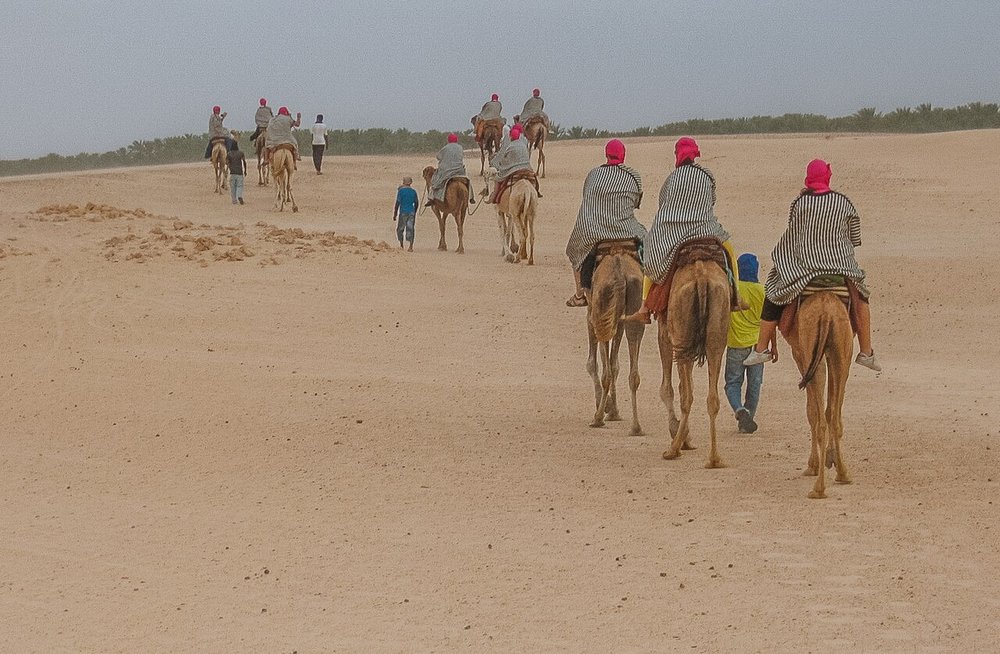
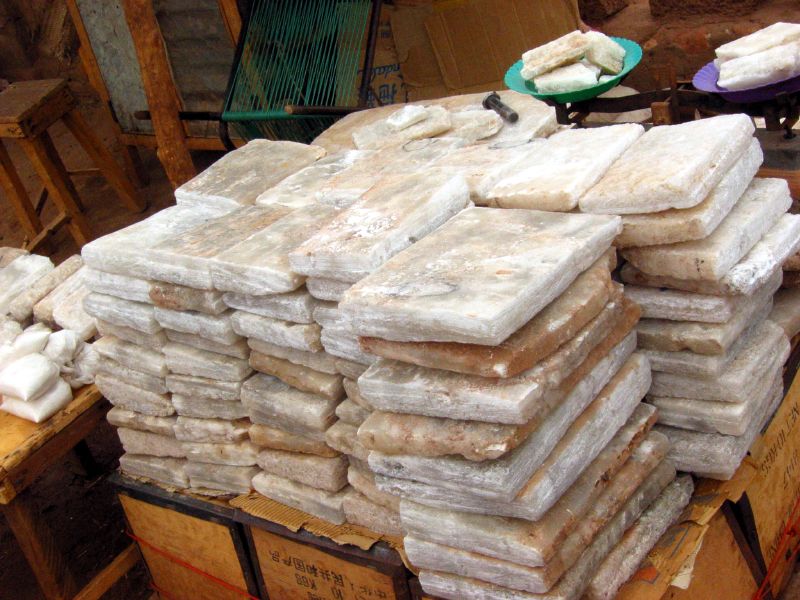
In the savannah south of the Sahara, salt was so scarce that people used pieces of it as money — and in the desert to the north, it was so plentiful that whole towns were built out of it. For a thousand years, camel caravans crossed the world's largest hot desert carrying slabs of rock salt south, and gold dust north. Whoever controlled that trade controlled the wealth of West Africa.
In short
Salt from the Sahara was one of the great trade goods of West Africa, because the savannah and forests to the south had almost no natural salt of their own. Camel caravans carried slabs of rock salt from mines such as Taghaza, Taoudenni, and Idjil to trading cities like Timbuktu, where salt was exchanged for gold dust from the mines of the south — in some places literally worth its weight in gold. The trade built the Ghana, Mali, and Songhai empires.
Why the south needed salt
Salt was in great demand in West Africa, especially once people began farming: it preserved dried meat, gave flavour to food, and replaced the salt the body loses in the tropical heat. But the savannah region south of the Sahara — known as the Sudan — and the forests further south were poor in salt. For most of the region, salt had to come from the north, from the Sahara itself, where ancient lake beds had dried out and left thick deposits of rock salt, or where shallow mines could cut the salt into slabs.
Camel caravans brought the great slabs south, and took gold back north, along with ivory, hides, copper, and cereals. A 90-kilo block of salt carried by river from Timbuktu to Djenne in the 11th century could double in value and be worth around 450 grams of gold — and by the time salt reached the forests of the far south, it could be literally worth its weight in gold.
Taghaza: a town built of salt
The most famous salt mines were Taghaza and Taoudenni, in what is now Mali, in the middle of the Sahara, far from any vegetation or fresh water. At Taghaza, salt was dug from the ground in thick slabs — two loaded onto each camel — and carried south to Oualata to be sold. The town's houses were built of salt, and its miners lived hundreds of kilometres from the nearest food, dependent on caravans for everything. Yet Taghaza was, for more than three centuries, one of the most valuable scraps of ground in the medieval world: a load that fetched eight to ten gold mithqals at Oualata could sell for twenty, thirty, even forty in the Malian capital.
Taghaza was famous enough to appear on the Catalan Atlas in Europe in 1375. Whoever controlled it controlled a fortune, so the mines passed between empires: the Sanhaja Berbers held them in the 10th century, then the Mali Empire (1240–1645) dominated the trade, and then the Songhai. In 1591 the Moroccan sultan sent an army of 4,000 men across the desert, crushed Songhai at the Battle of Tondibi, and seized the mines. Taghaza was then abandoned, and the trade moved 150 kilometres south-east to Taoudenni, which lay closer to Timbuktu.
Empires built on salt and gold
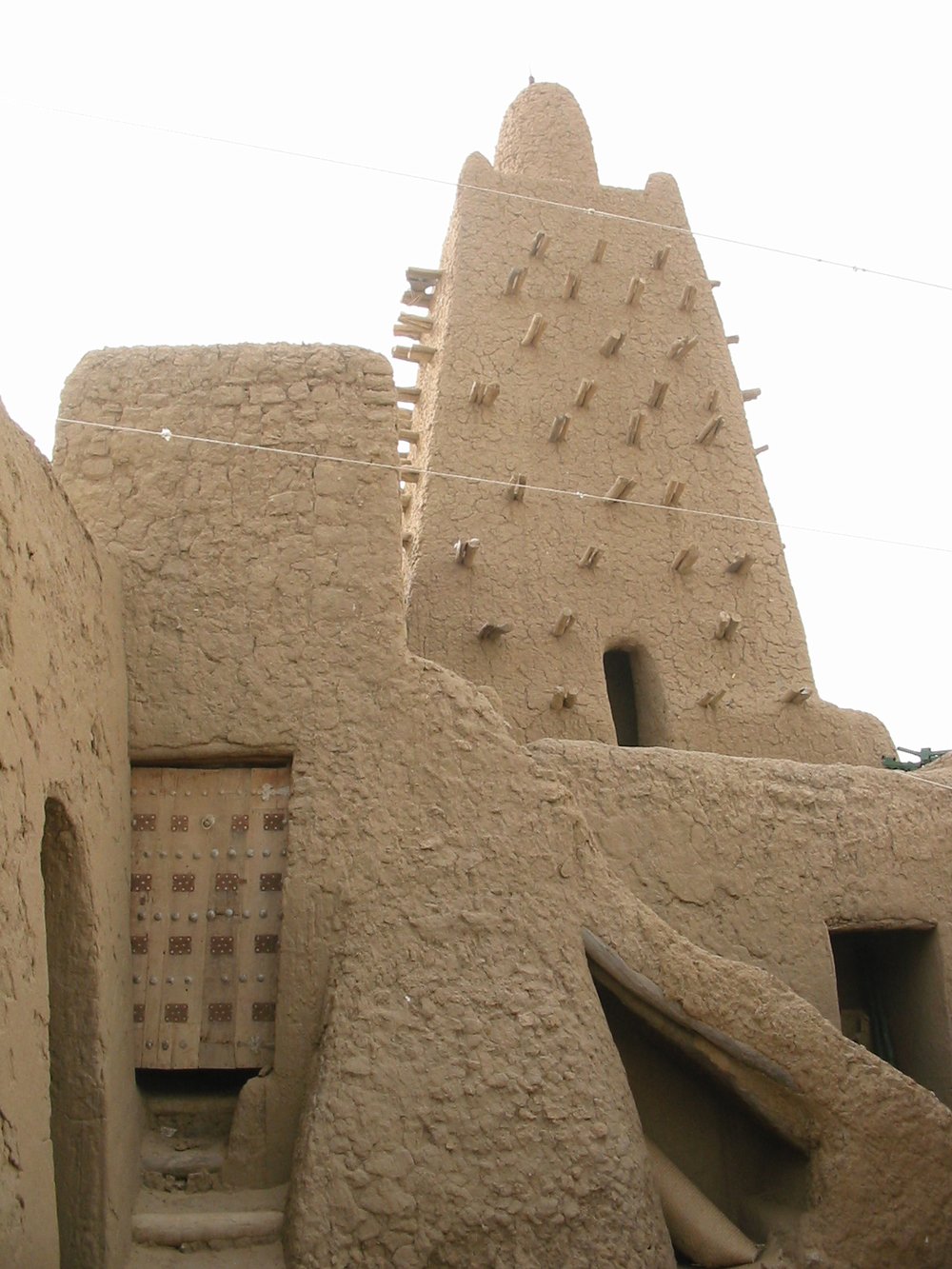
Whoever controlled the salt trade also controlled the gold trade, and both were the principal economic pillars of the West African empires. The salt mines of Idjil supplied the Ghana Empire (6th–13th century), and Timbuktu — which began as a campsite for desert nomads — grew under Mansa Musa into a thriving trading city and a centre of learning, its libraries and mosques built on the wealth of the salt trade.
The trade also carried more than goods: with the caravans came Islam, ideas in art and architecture, and new cultural practices. Even today, salt mining continues at Taoudenni, where workers still extract salt by hand and transport it by camel — an echo of a trade that once bound three continents together.
Sources: World History Encyclopedia, "The Salt Trade of Ancient West Africa"; Wikipedia, "History of salt"; Qualla, "Taghaza" Checked 27 November 2026.