Salt Mining Through History
Salt mining is one of the oldest industries on Earth. Long before coal or iron, people were digging into mountains for white crystals — with stag-horn picks, then with bronze, then with gunpowder and steam. The mines they left behind are still there to visit: chapels carved out of solid salt, staircases older than Rome, and towns whose very names mean "salt".
In short
Salt has been mined for about 7,000 years, since Hallstatt in Austria (c. 5000 BCE). Wieliczka in Poland was worked from the 13th century and supplied up to a third of the Polish treasury's income; its chapels and sculptures are carved from solid salt. In England, rock salt was found near Northwich in Cheshire in 1670, and the Winsford mine, opened in 1844, is still the UK's largest rock-salt mine.
Hallstatt: the first mine
Hallstatt in Austria is the oldest known salt mine in the world, worked for some 7,000 years. Neolithic miners used picks made of stag horn; Bronze Age miners, working between about 2100 and 800 BCE, left behind a wooden staircase dated to about 1344 BCE — the oldest staircase in Europe. The mine's salt preserved everything it touched, from miners' clothing to a whole body found in 1734. After a landslide around 350 BCE buried the valley, mining shifted elsewhere, then boomed again from the 16th century until the saltworks closed in 1965. Brine is still produced at Hallstatt today and piped 40 kilometres to Ebensee through a pipeline built in 1595 — the oldest pipeline in the world.
Wieliczka: a cathedral underground
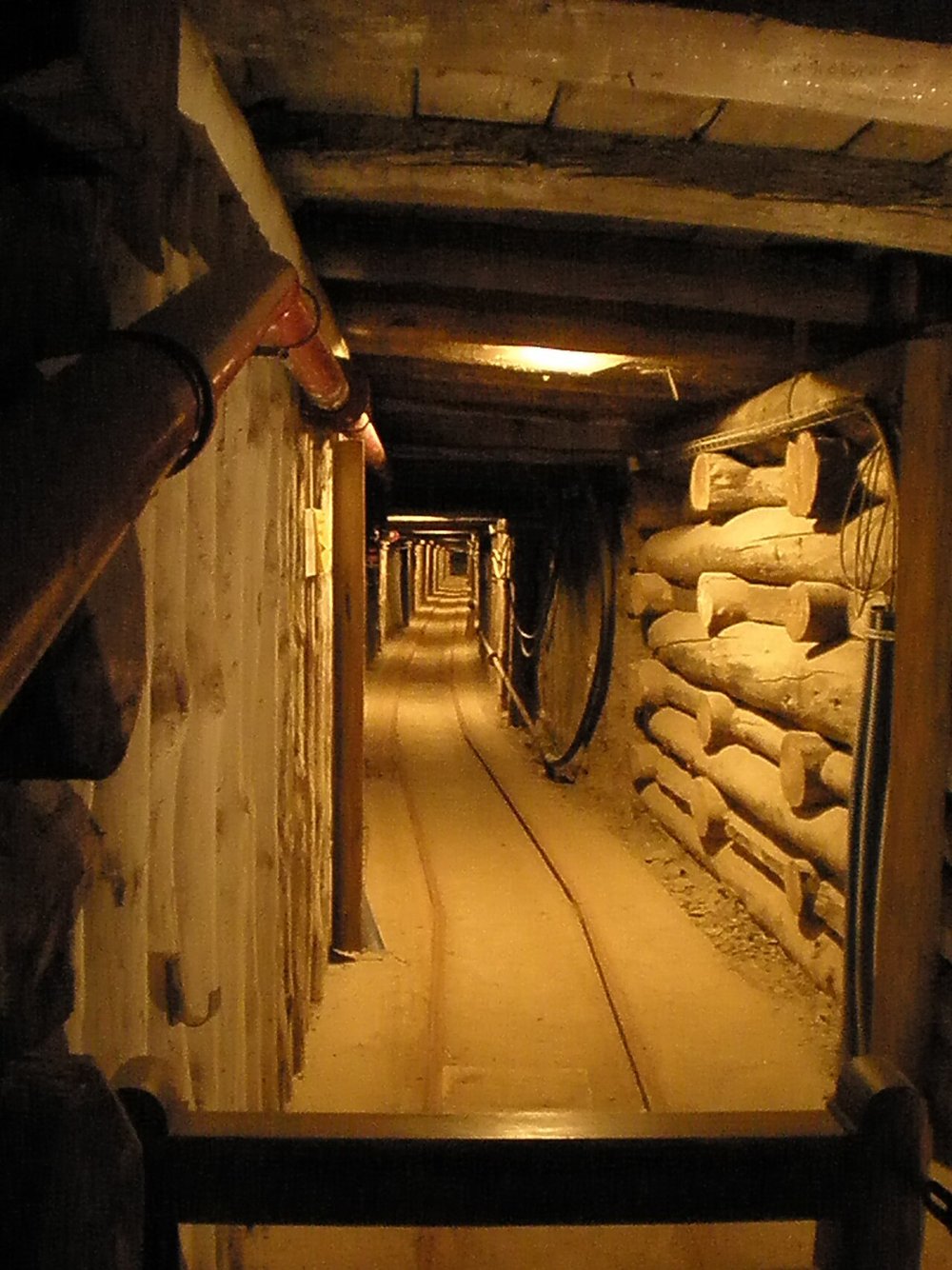
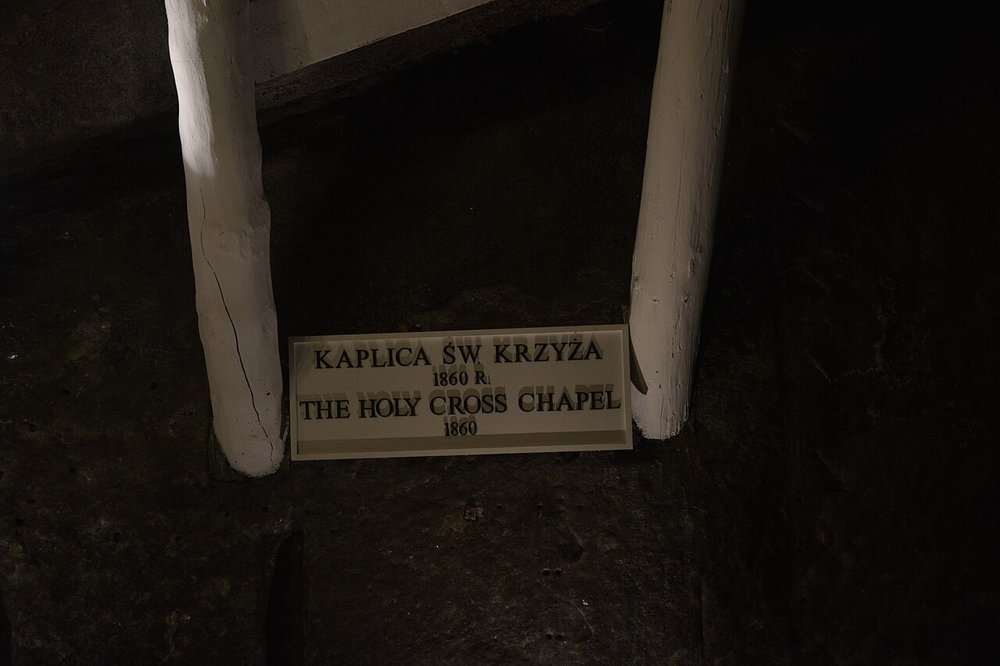
The Wieliczka salt mine, near Krakow in Poland, has been worked since the 13th century. At times of prosperity the Krakow saltworks supplied up to a third of the income of the Polish treasury, and the mine's salt made Poland rich. Miners carved whole chapels, sculptures, and chandeliers out of solid rock salt, hundreds of metres below ground. Salt was extracted there until 1964, and all exploitation ceased in 1996. Today Wieliczka is a UNESCO World Heritage site visited by more than a million tourists a year, and the deposit — part of a rock-salt bed stretching 500 miles along the Carpathian Mountains — is so large that, as one 19th-century writer put it, its resources have "scarcely been touched".
Cheshire and the English salt towns
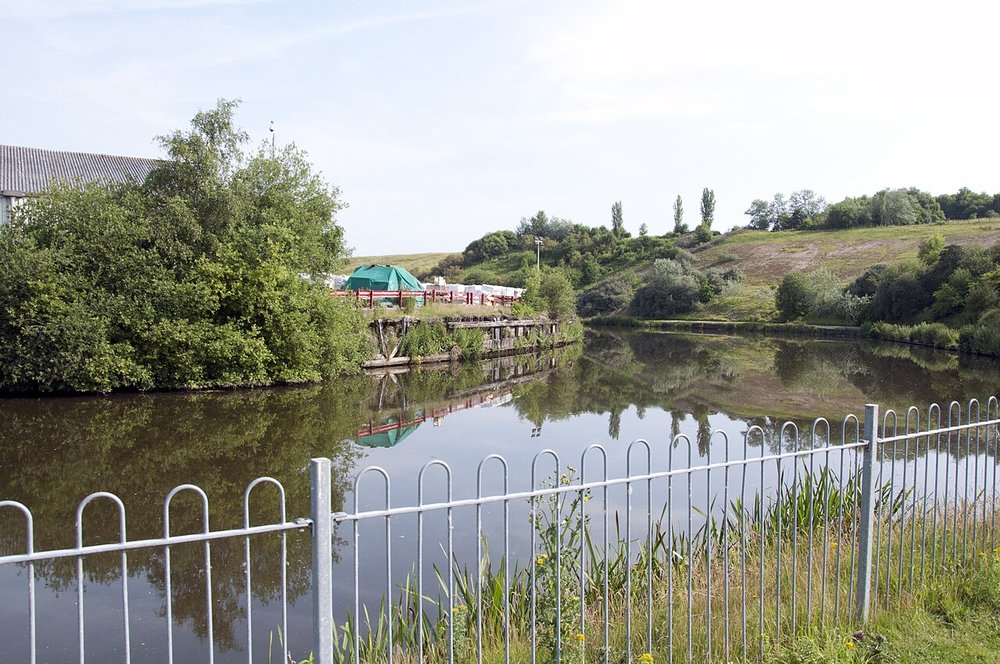
In England, salt came first from brine springs, boiled in open pans — the Romans were already producing rock salt in Cheshire, and medieval salt making left its mark on place names: the suffix "wich" means a brine spring, and the four Cheshire "wiches" — Middlewich, Nantwich, Northwich, and Leftwich — plus Droitwich in Worcestershire all grew up around salt. Rock salt itself was discovered in Cheshire by accident in November 1670, when men sinking a shaft for coal at Marbury, near Northwich, struck salt instead. Rock salt was first mined at Winsford in 1844, and the Winsford mine, about 150 metres under the Cheshire countryside, is still the UK's largest and oldest working rock-salt mine. Liverpool grew from a small port into the world's great salt-exporting port on the back of the Cheshire mines, shipping salt around the world in the 19th century.
How mining changed
Early miners dug with picks, chisels, and hammers, hauling salt out in baskets. Gunpowder, steam pumps, and later machines let mines go deeper and drier. The other great change was solution mining: pumping water down into a salt bed to dissolve the salt, then pumping the brine back up — a method that avoids sending people underground at all. Whether dug, dissolved, or evaporated, the story is the same: the white rock under our feet was once worth more than gold, and the towns it built still carry its name.
Sources: Salzwelten Hallstatt, "How the world's oldest salt mine guarantees all kinds of fun"; Wikipedia, "History of salt"; Calendar UK, "What is the biggest salt mine in Europe?" Checked 27 November 2026.