Salt and the Roman Empire
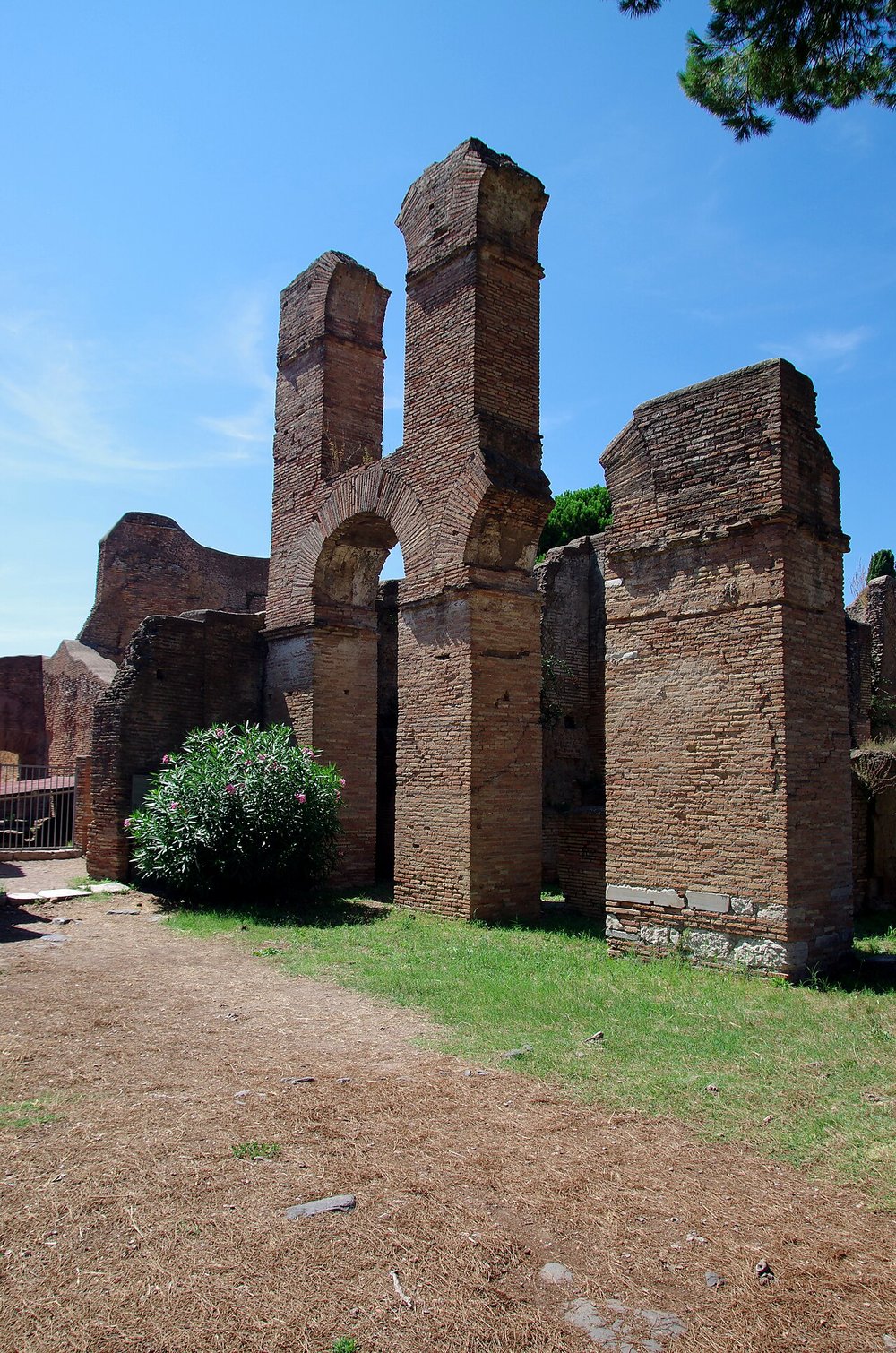
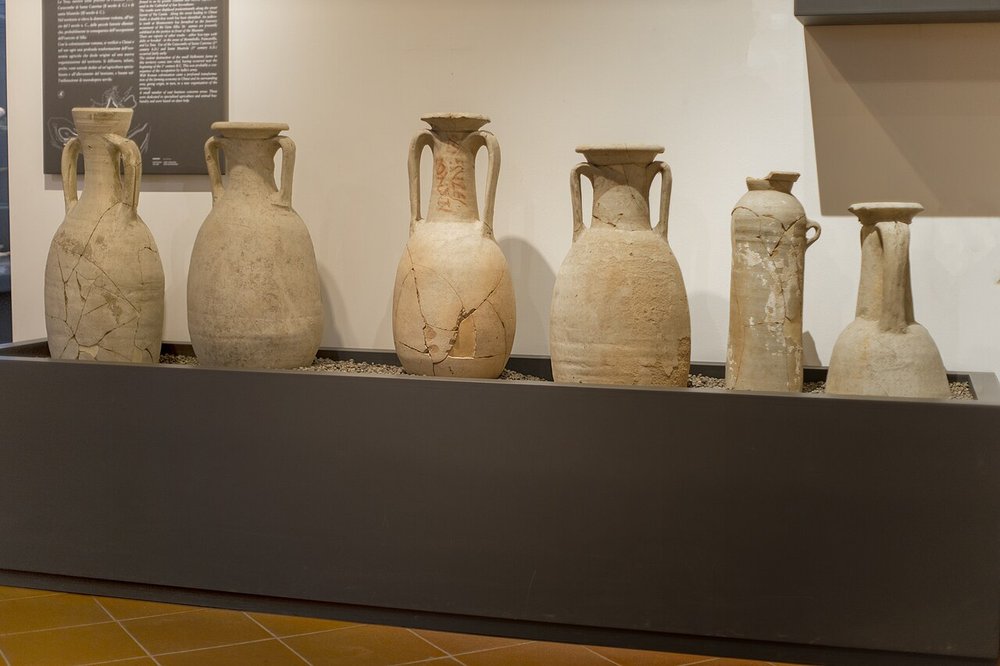

Rome was built on salt before it was built on marble. The city's first salt road, the Via Salaria, ran from Rome to the Adriatic Sea, and the saltworks at the mouth of the Tiber were among the state's most valuable property. Salt preserved the rations that fed the legions, flavoured the fish sauce that Romans poured on everything, and left its name in the word we still use for our pay: salary.
In short
Salt was a state-controlled strategic good in Rome. The Via Salaria — the "salt road" — carried salt from the Adriatic to Rome, saltworks were public property leased to the highest bidder, and soldiers were paid in coin, not in salt. The word "salary" comes from salarium, most likely a money allowance for buying salt, not a wage paid in salt itself.
The salt road to Rome
In the early years of the Roman Republic, as Rome grew, roads were built to bring salt to the capital. The most famous was the Via Salaria, literally the "salt road", which ran from Rome to the Adriatic Sea. The Adriatic, shallow and salty, had more productive solar salt ponds than the Tyrrhenian Sea closer to Rome, so the road mattered. Saltworks — salinae — near Ostia, at the mouth of the Tiber, were public property, leased by the government to the highest bidder, and heavily guarded and taxed because the supply was so important.
Salt travelled along the Via Salaria into the heart of Italy and beyond, into the lands of the Germanic tribes. In the late Roman Empire and through the Middle Ages, salt remained a precious commodity carried along salt roads deep into Europe.
Were soldiers really paid in salt?
The story everyone repeats is that Roman soldiers were paid in salt, and that this is where "salary" comes from. It is a good story, and it is mostly untrue. The Latin word salarium is certainly connected to sal, the Latin word for salt, and the Roman writer Pliny the Elder did note the connection. But no ancient source says soldiers were handed salt instead of pay.
What the evidence actually shows is that Roman soldiers were paid in coin. Livy records that the state took over regular pay for soldiers in 405 BCE, a payment called the stipendium, made in instalments three times a year. Julius Caesar doubled it to 225 denarii a year around 50 BCE, and by the end of the second century CE it had risen to 600 denarii. Historians now think salarium was most likely a money allowance for buying salt — like calcearium, money for shoes, or vestiarium, money for clothing — which later came to mean any fixed wage. The salt was real; the pay in salt was a legend added centuries later.
Salt on the Roman table and in Roman religion
Salt was essential to the Roman diet. Without refrigeration, salting meat and fish was the only way to make food last for weeks or months, and it was vital on military campaigns. Romans also loved garum, a salty fermented fish sauce that was shipped across the empire in marked jars — one of the first foods to be labelled by quality and origin.
Salt also had a sacred place. Ancient Romans, like the Egyptians and Greeks before them, invoked the gods with salt offerings, and salt was used in religious ritual. The value of salt even shaped Roman language: sal gave English not only salary but saline, salami, salad, sauce, and salsa. A mineral that preserved food ended up preserving itself in our words.
Sources: Phys.org, "Our pay is called a 'salary,' but were Roman soldiers really paid in salt?"; Tastes of History, "A Brief History of Food: Salt"; Wikipedia, "History of salt" Checked 27 November 2026.